DFA says China ban on PH officials strains diplomatic ties
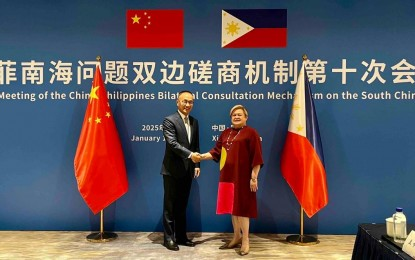
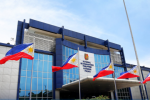
The Department of Foreign Affairs said China’s decision to impose a travel ban on Filipino officials is detrimental to the two Asian neighbors’ diplomatic relations.
In a statement, DFA said while preventing the entry of foreign nationals into their territory is a country’s sovereign prerogative, such actions do not contribute to fostering good and vibrant bilateral relations, especially in reinvigorating people-to-people interaction, which both the Philippines and China have committed to.
In a move seen to further strain already fraught relations between the two countries locked in yearslong territorial disputes, local officials of the municipality of Kalayaan have been declared persona non grata by China.
They will not be allowed into mainland China, including Hong Kong and Macau, “on the basis of reciprocity,” the embassy said.
China’s latest action came amid ongoing heated exchange with Filipino officials, including some senators, defending Manila’s maritime rights in the waters being claimed by China nearly in its entirety.
China issued the same sanction last year against then Senator Francis Tolentino, who authored bills protecting the country’s maritime zones in the West Philippine Sea, the stretch of waters in the South China Sea closer to the Philippines’ western coast.
Relations between the two Asian neighbors plunged to its lowest in recent years after Chinese Coast Guard, Navy and suspected maritime militia ships have used high-pressure water cannons and dangerous maritime maneuvers to Philippine ships or vessels China has accused of entering its territorial waters illegally.
An arbitral tribunal in The Hague, Netherlands in 2016 nullified China’s massive claim over the resource-rich South China Sea, including areas within the waters that fall under Manila’s territory.
Earlier, Malacañang said that it respects China and the Philippine Senate’s freedom of speech, following a recent exchange of tirades between the two parties.
According to Malacanang, President Ferdinand ”Bongbong” Marcos Jr. respects one’s freedom of expression.
The President respects one’s freedom of speech. Both China and the Philippine Senate have the freedom to express.